Auguste has personally closed 21 sales in Watergate. He knows the floor plans, the HOA, and what each line of units actually trades for. Not from a portal, from doing the deals.
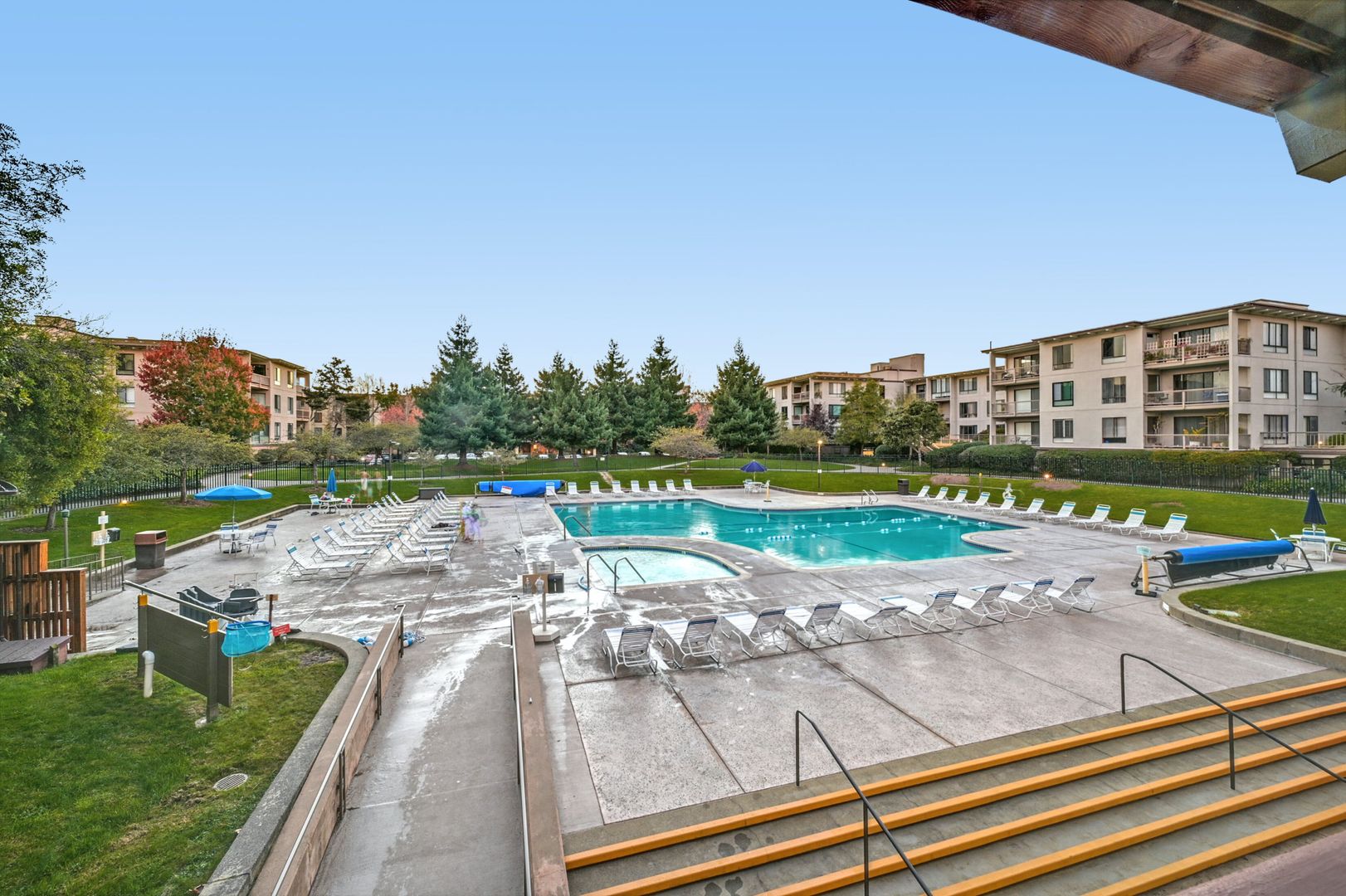
In the mid-20th century, Emeryville was a gritty industrial hub in the middle of a major economic crisis. Looking for reinvention, city leaders turned to the shallow bay waters known as the "Tidelands." In 1966 they made an ambitious gamble: moving earth into the bay to carve out an entirely new peninsula. From that land rose a new era for the city. When the Watergate complex opened its doors in 1972, it offered a buzzing, resort-style oasis, a sharp contrast to the town's smokestack past. The story took another turn in 1979, when the massive apartment community was converted into nearly 1,250 condominiums. That handed the waterfront over to a passionate new wave of homeowners, cementing Watergate not just as a housing development but as a living monument to a city that dared to build its future from the water up.
The original 1964 plan by planners Ruth + Krushkhov was far more ambitious: they didn't just want a peninsula, they wanted a series of man-made residential islands stretching into the bay to attract upper-income professionals. But the newly formed Bay Conservation and Development Commission (BCDC) sued to stop them from filling the bay. The legal battle went all the way to the State Supreme Court, and Emeryville was forced to compromise, settling for just extending Powell Street into the single peninsula we see today.
These details come from public records and are approximate while Auguste confirms them. HOA dues, pet rules, and parking change over time, so verify against current HOA documents before writing an offer.
Auguste sells in this building and knows what’s active, what’s coming, and what units actually trade for. Ask him directly for the current picture.
A straight read on this building from the broker who sells in it. No pressure, no obligation.